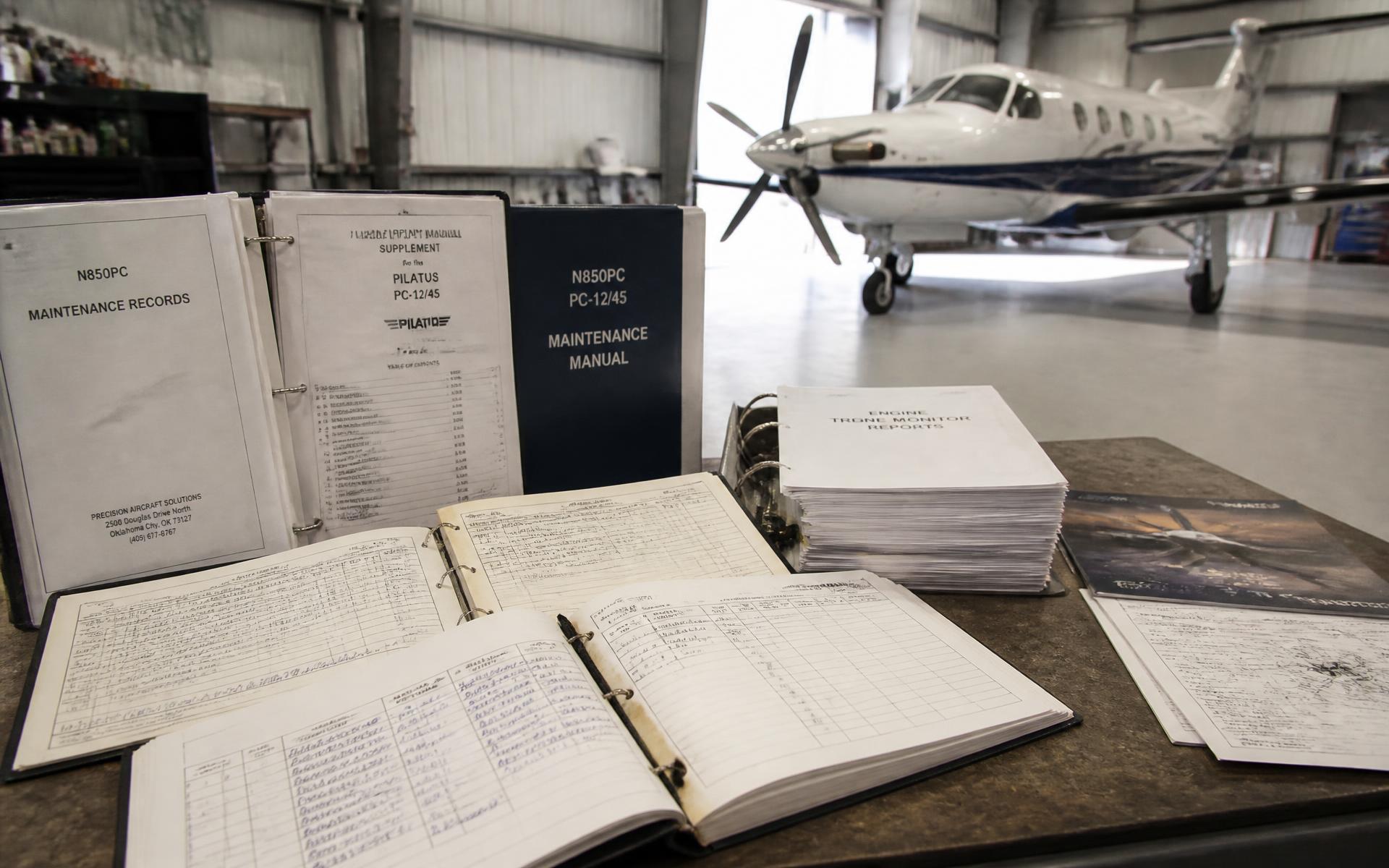
Aircraft engine records review
Is the engine status actually supported by the records?
A smooth-running engine does not prove its documented history. Before purchase, sale or transfer, we review the available engine records to identify what supports the claimed status, what is missing and what may create additional maintenance cost.
Where does the engine records review fit?
Engine condition and engine records are two different questions. A physical inspection can assess mechanical condition, while the records show the documented history, time, overhaul evidence and maintenance position behind the engine.
- Step 1
Engine information received
Available engine logbooks, shop records, release documents and status information are collected.
- Step 2
History reviewed
The documented engine history, time in service, installations and major maintenance events are followed through the available records.
- Step 3
Claimed status checked
Overhaul history, TSN/TSO values, life-limited items where applicable, shop visits and supporting release documents are compared against the available evidence.
- Step 4
Gaps and exposure identified
Unsupported claims, unclear values, missing evidence and near-term maintenance exposure are identified in writing.
- Step 5
Next action
The findings can be used to request evidence, adjust the maintenance plan, reconsider the price or decide whether the aircraft still makes sense.
This is a records review, not a borescope, compression check or engine test. It explains what the documentation supports, not the mechanical condition of the engine.
The engine can run well and still carry undocumented risk.
A normal-running engine does not automatically confirm its overhaul history, time status or supporting maintenance evidence.
Overhaul without supporting evidence
An overhaul or major shop visit may be recorded while the supporting work pack, release documents or detailed history are unavailable.
Time values do not reconcile
TSN, TSO or other time-in-service values may differ between logbooks, status summaries and shop records.
Component history is unclear
Life-limited parts, accessories or replaced components may have incomplete supporting history or traceability where such records are required.
Near-term maintenance exposure
The records may show upcoming overhaul, inspection, component or calendar requirements that affect the real cost of continuing to operate the aircraft.
What can be reviewed on the engine records?
The exact scope depends on the engine type and the documentation available.
What do you receive from the engine records review?
You receive a written engine-records report showing what the available documentation supports, what remains unclear and where further evidence or maintenance planning may be needed.
- documented engine-history summary
- TSN / TSO observations where applicable
- overhaul and shop-visit evidence review
- AD / SB observations
- LLP / hard-time observations where applicable
- component-history concerns
- maintenance requirements identified from available records
- supporting evidence not provided
- questions for seller, CAMO, CAO or MRO
- near-term maintenance exposure
- recommended next actions
What happens after the engine review?
Claimed status is supported
The available records support the key engine status well enough for the next stage of the decision.
More evidence is requested
The seller, CAMO, CAO, MRO or engine shop is asked to provide missing supporting records.
Cost is reassessed
Upcoming overhaul, component work or unresolved history is considered in the aircraft price or maintenance plan.
The decision changes
The engine-records exposure changes whether the aircraft, engine or transaction still makes sense.
Identifying engine-records uncertainty before commitment leaves more options than discovering it after the aircraft becomes your responsibility.
This is an independent records review based only on the documents provided. It does not assess internal mechanical engine condition. It does not replace a borescope inspection, compression testing or any physical engine test. It does not replace a physical pre-buy inspection of the aircraft. It does not issue a maintenance release. It does not certify airworthiness. It does not determine formal CAMO/CAO acceptance.
Full legal wording is available in the Terms / Scope of Review.